
We at Safety First Event Management believe that obtaining Civil Defence Approval for Events in UAE, before the event, is the most important step in delivering a safe and successful event. Hosting a successful event is more than a great venue. Organizers should verify that every aspect of the event environment, from beginning to end, adheres to regulatory safety standards.
Whether the event is a concert, an exhibition, a corporate conference, or a festival, regulatory authorities obligate event planners to demonstrate that safety risks have been evaluated and managed in an effective manner. These procedures confirm that event layouts, operational procedures, and emergency measures are in line with established safety requirements.
Safety planning is an important part of the event lifecycle and should be treated as such rather than a last-minute compliance step. Early preparation results in hassle-free approvals and safer event environments. This guide explains step by step civil defence approval process for events and will help organizers plan documentation, manage inspections, and secure approvals efficiently.
What Does Civil Defence Do in the UAE?
The Civil Defence authorities in the UAE are required to safeguard public safety in environments where large groups of people gather. Their job is to review safety documentation, verify fire protection measures, and assess whether event environments comply with emergency preparedness standards.
During event approvals, Civil Defence authorities examine all aspects of event planning. These include evacuation planning, venue layout, fire safety readiness, and temporary installations such as stages or tents. By reviewing these, the officials verify that the event environment is equipped to handle emergencies safely.
When event organizers apply for approval for events from Civil Defence authorities, relevant officials review documentation and inspect event infrastructure to make sure that safety systems have been implemented correctly. The goal is not to slow down the event planning process but to support public gatherings in environments designed around safety, preparedness, and operational oversight.
Why Civil Defence Approval Is Required for Events?
Why are safety approvals needed when venues already have safety infrastructure? This is a question asked by several event planners. The reason is that events are usually temporary and can change how a venue works. Events often bring temporary structures, contractor operations, and large crowds, creating new safety risks. Before the event starts, organizers should review these risks.
Civil Defence approvals make sure that organizers:
- Evaluate potential hazards
- Implement proper emergency procedures
- maintain safe crowd movement
- protect attendees and staff
Getting Civil Defence Approval for Events in UAE before the event shows that the organizers have proactively managed these risks and set up a safe environment for the crowd.
Step 1: Start Event Planning with Safety in Mind
Organizers initiate event safety planning well in advance of submitting approval applications. They start by looking at the event scope, location, and expected attendance. Planning early helps teams spot operational risks, such as crowd congestion areas, contractor work zones, and emergency access routes. These steps create the base for professional event safety planning.
Working with experienced safety consultants like ours at Safety First Events helps organizers include risk management right from the event design stage.
Initial planning considerations often include:
- expected crowd capacity
- venue layout and emergency exits
- contractor installation activities
- access routes for emergency vehicles
- technical equipment placement
By planning these things early, organizers can create documentation that makes the approval process smoother.
Step 2: Prepare Required Event Documentation
Before reviewing event approvals, authorities need complete safety documentation. These documents show how organizers will manage safety throughout the event lifecycle, from setup to dismantling.
The required documentation includes:
- Event Safety Management Plan
- emergency evacuation plan
- crowd management strategy
- risk assessment documentation
- contractor safety plans
These materials are part of the documents required for civil defence approval for events UAE and help authorities review the safety standards of the event. Having clear records also speeds up the approval timelines, as regulators can quickly see that safety measures are in place.
Step 3: Conduct a Professional Event Risk Assessment
An important part of event safety planning is risk assessment, as it helps in identifying hazards that can harm attendees, staff, or contractors during the event. A professional event risk assessment Dubai closely examines risks from electrical installations for lighting or sound, crowd congestion near entrances or stages, contractor installation activities, and fire hazards from temporary equipment. The process involves hazard identification, risk evaluation, and putting control measures in place. These assessments affirm that organizers have clear plans to prevent incidents and safely handle emergencies.
Step 4: Establish a Structured Safety Framework
Operational safety planning should support risk assessments. This process confirms that the safety measures have been implemented during event operations. Professional event safety planning services UAE helps organizers set up clear safety frameworks to guide the whole event process. These frameworks include incident reporting procedures, emergency response coordination, communication protocols for safety teams, and operational monitoring during live events. Our team at Safety First Event Services combines risk management with event production workflows in safety planning, so teams can keep everyone safe while running complex events.
Step 5: Design Effective Crowd Management Strategies
Crowd movement strategies is one of the most important parts of event safety. Big events need clear access routes, smartly designed entry and exit points, and smooth crowd flow management to avoid jams. Using professional crowd management solutions of events in UAE helps attendees move safely around the venue while keeping operations running smoothly.
Crowd planning usually involves:
- Planning entrance and exit routes
- Designing how pedestrians move inside the venue
- Setting up emergency evacuation paths
- Coordinating security staff
Effective crowd planning lowers safety risks and makes the event experience safer and more enjoyable for everyone.
Step 6: Coordinate Venue Safety Inspections
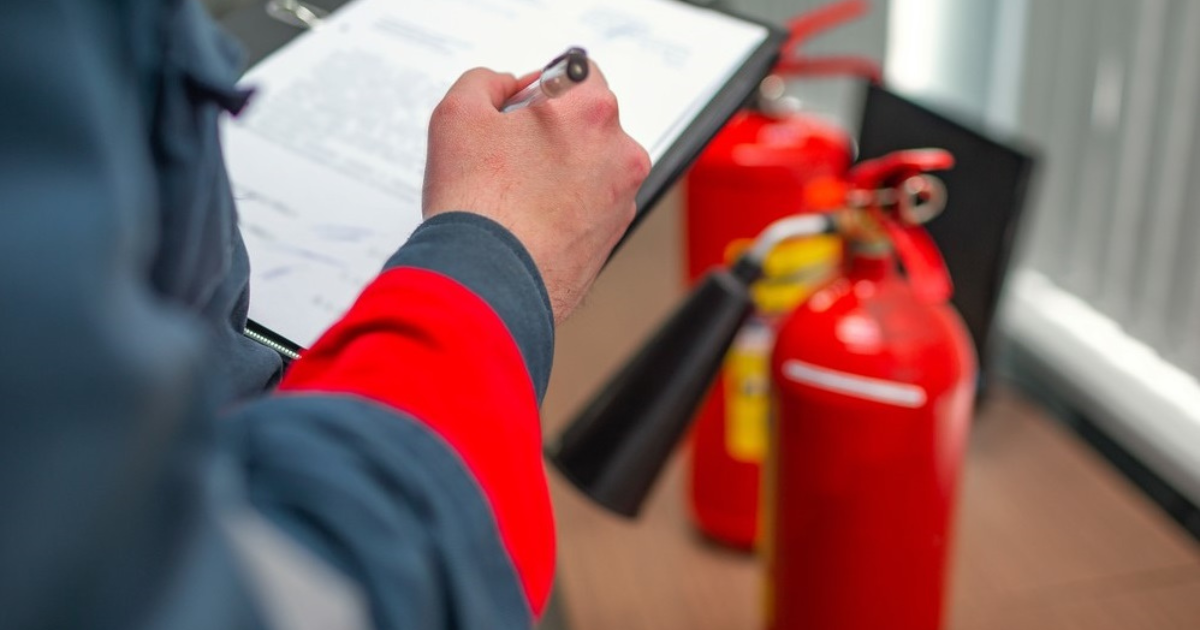
After submitting the safety documentation, authorities may carry out inspections to assure compliance with safety requirements. These venue safety inspections Abu Dhabi principles maintain that the safety plans are properly implemented within the venue environment. During the inspection, officials check fire safety readiness, emergency exit accessibility, temporary structure installations, and crowd control infrastructure. Passing these inspections shows that the event environment meets regulatory standards and is ready for public operation.
Step 7: Understand Approval Timelines
How long does Civil Defence event approval take in UAE? This is another point of concern for event planners. This depends on several factors, such as the event size, venue complexity, and how ready the safety records are.
The approval process includes the following stages:
- Submission of safety documentation
- Regulatory review
- Venue inspection
- Final approval issuance
By submitting well-prepared documents and working closely with the authorities, you can receive the approval faster.
Step 8: Ensure Fire Safety Compliance
Fire safety is another important part of event approvals. Authorities review how organizers plan to prevent and respond to fire hazards. This includes checking evacuation plans, fire safety equipment, and operational procedures for emergency response. These measures support how event organizers ensure fire safety compliance in UAE and affirm that event environments remain safe even during emergency situations. Fire safety planning also involves collaborating with venue safety teams and training for event staff.
Step 9: Temporary Structure Safety Verification
Many events use temporary installations such as stages, tents, lighting rigs, and exhibition booths. Authorities check these installations to assure they are structurally safe and do not block emergency access routes. This verification process is crucial for large events like the Civil Defence approval for concerts in UAE, where temporary stage setups and lighting systems are often used. Proper installation documentation helps authorities confirm that these temporary structures meet safety requirements before approvals are given.
Step 10: Submit RAMS and Method Statements
Preparing RAMS documentation is another important aspect of event safety planning. Event RAMS and Method Statement for UAE events explain how specific tasks will be carried out safely during the event lifecycle.
These documents usually include:
- task descriptions
- hazard identification
- risk control measures
- safe working procedures
RAMS documentation helps validate that contractors follow the same safety standards when installing equipment or temporary structures.
Step 11: Develop a Comprehensive Event Safety Plan
Event safety requires a combined approach that includes planning, documentation, inspections, and operational coordination. This method reflects comprehensive safety solutions, where different safety systems work together to protect attendees, staff, and event infrastructure.
Our event safety planning processes focus on proactive risk management so events can run smoothly without unnecessary disruptions. Including safety in the event design allows organizers to confidently manage large gatherings while following regulatory compliance.
How Event Organizers Get Civil Defence Permits in UAE?
Event organizers acquire Civil Defence permits by preparing safety records, carrying out risk assessments, and coordinating with regulatory authorities for inspections. The process involves submitting event plans, emergency procedures, and structural paperwork for review.
Officials then review the safety measures prepared by the organizers before giving final approval for the event. This structured approval process guarantees that public gatherings follow regulatory safety standards and take place in safe environments.
Frequently Asked Questions
Is Civil Defence Approval Mandatory for Events?
Yes, every event in the UAE, whether at a hotel, tent, or temporary venue, requires Civil Defence approval. This assures that fire safety, emergency planning, and crowd management are properly in place, keeping attendees, staff, and contractors safe.
Why Is Civil Defence Approval Required?
Even venues with their own safety systems can face new risks during temporary events. Stages, tents, contractor activities, and large crowds can create hazards. Civil Defence approval affirms that organizers have checked these risks, set up emergency procedures, managed crowd movement, and created a safe and compliant event environment.
What Documents Are Typically Required?
Authorities need full safety documentation before approving an event. This usually includes an Event Safety Management Plan, emergency evacuation plan, crowd management strategy, risk assessments, contractor safety plans, event layouts showing emergency exits and fire equipment, and organizer identification with trade licenses. Complete documentation confirms that safety measures are in place and helps speeds up the approval process.
Do I Need Specific Approval for Temporary Structures (Tents/Stages)?
Yes, tents, stages, exhibition stands, and lighting rigs must be checked for structural stability and fire safety. Civil Defence approval guarantees that these setups are safe, properly positioned, and do not block emergency access routes.
How Long Does the Approval Process Take?
The process usually takes between two and six weeks, depending on event size, complexity, and readiness of safety documentation. Early submission and complete records help organizers get approval faster.
How to get Civil Defence Approval in Dubai?
Organizers must send their event safety documentation, risk assessments, and emergency plans to Dubai Civil Defence using the Dubai Tourism e-Permit system. Officials may also do a venue inspection before giving the final approval to make sure the event is safe and fully compliant.
How to get Civil Defence Approval for events in Abu Dhabi?
Event organizers need to send their safety documentation, venue layouts, and risk assessments to Abu Dhabi Civil Defence using the DCT ELS portal. Authorities will check the documents and may do a venue inspection before giving the final approval, making sure the event is safe and fully compliant.
Civil Defence Approval is Your Guide to Risk-Free Events:
Getting Civil Defence Approval for Events in UAE is an important step in hosting safe and successful events. This approval is not just a formality; it indicates that organizers have carefully planned for the safety of attendees, staff, and the event environment. Using risk assessments, structured safety planning, and the right documentation helps organizers spot hazards, put control measures in place, and make sure every part of the event is ready for emergencies. This creates event environments that are safe, well-organized, and follow regulatory rules.
Following this comprehensive Civil Defence approval process for events helps event planners get approvals smoothly. By preparing complete safety records, submitting venue layouts, and doing risk assessments, organizers can avoid delays and keep event preparation on track. Venue inspections by authorities also check that all safety plans and operational measures are in place, which accelerates the approval process.
Professional safety planning from our experts at Safety First Event Management focuses on every part of the event, from setup to live operations, being handled with safety and compliance in mind. This includes coordinating contractors, monitoring temporary structures, checking fire safety measures, and training event staff to manage emergencies safely.
With clear, structured safety strategies, event organizers can confidently run memorable events that protect everyone on-site while keeping the highest safety standards. Such planning results in regulatory compliance, builds trust with attendees, and creates a smooth, successful event experience.